 Fossil Deck
Jurassic Giants
The long-necked colossi. The largest animals ever to walk the earth, from the Jurassic plains.
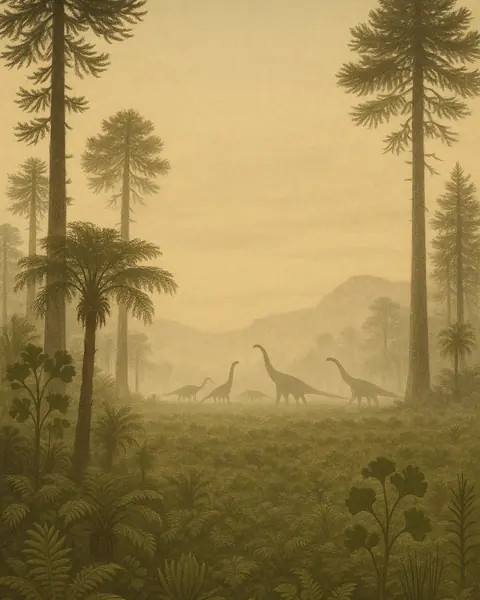
Twelve cards in the The Great Ages expedition. This deck is free in the app.
The 12 cards
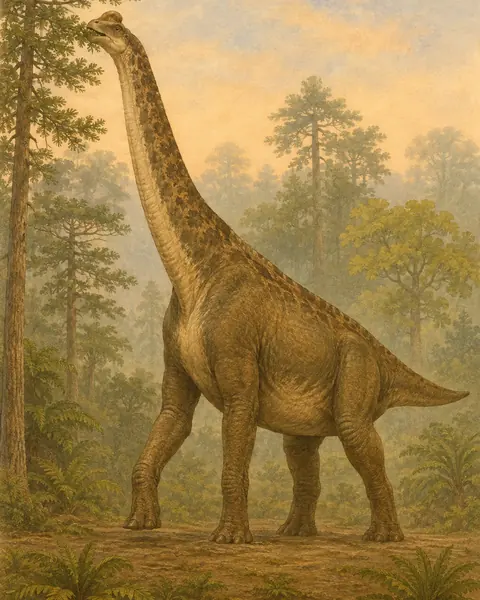
With its front legs longer than its back legs, Brachiosaurus could raise its small head an estimated 12 to 13 meters into the air — about the height of a four-storey building.
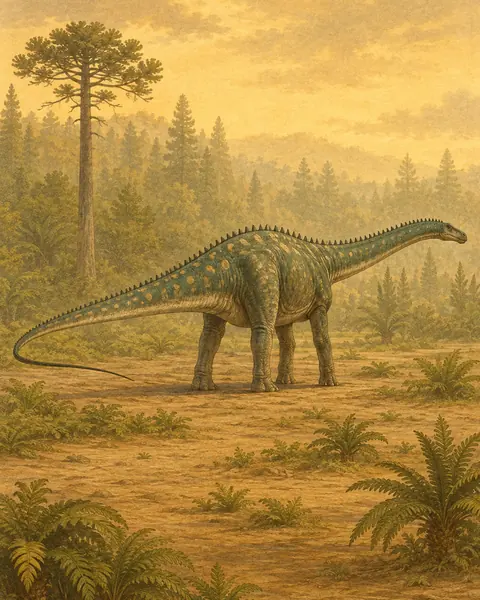
Diplodocus stretched up to about 26 meters from its small horse-like head to the tip of its whip-like tail, making it one of the longest dinosaurs known from a good skeleton.
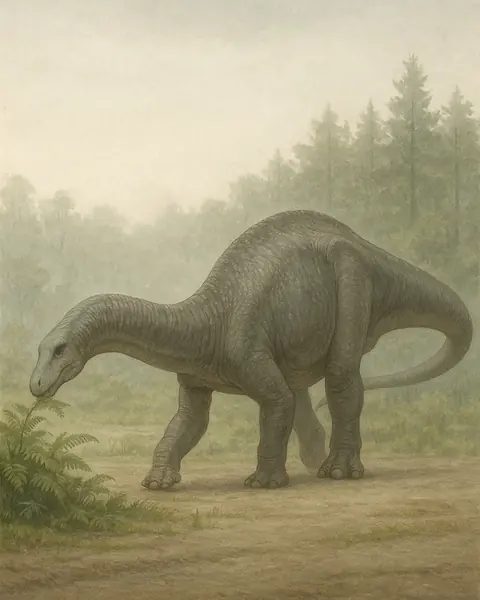
Apatosaurus is the giant Late Jurassic sauropod long popularly known by another name — "Brontosaurus" — after decades of scientific back-and-forth.
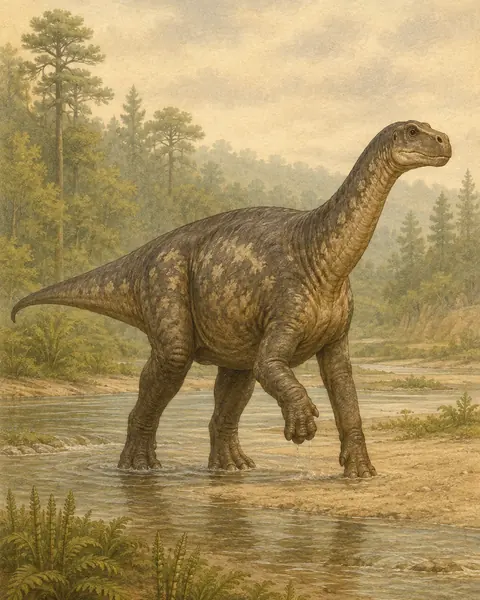
Camarasaurus is one of the most common dinosaurs in North America's Late Jurassic rock, known from dozens of skeletons — including one of the most complete sauropod skeletons ever found.
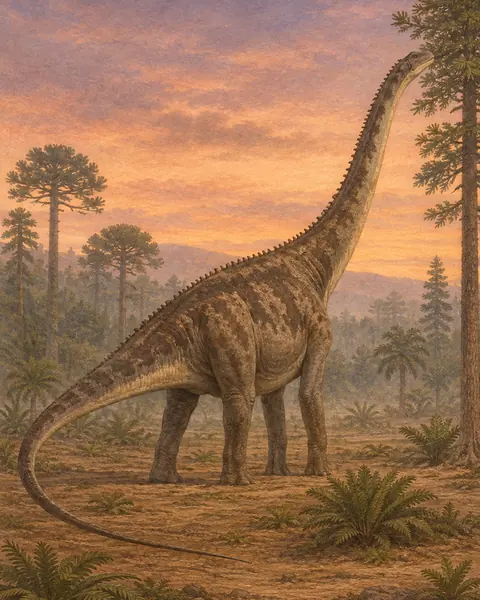
Barosaurus carried one of the longest necks of any Morrison dinosaur — an estimated 8 to 9 meters, built from unusually elongated neck bones.
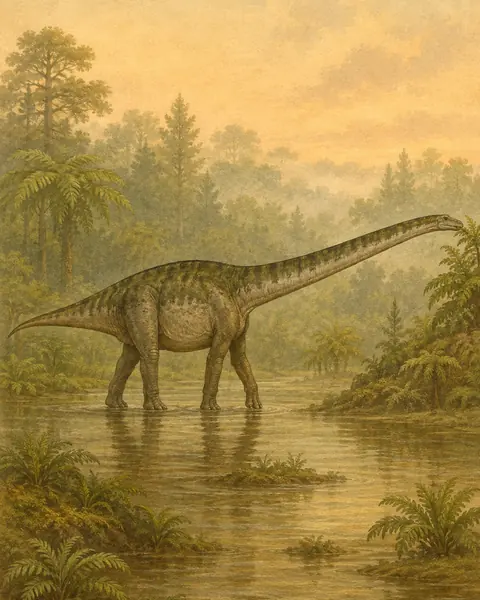
Mamenchisaurus is famous for having one of the longest necks of any known animal — in the largest species the neck alone is estimated at up to about 15 meters, nearly half the body's total length.
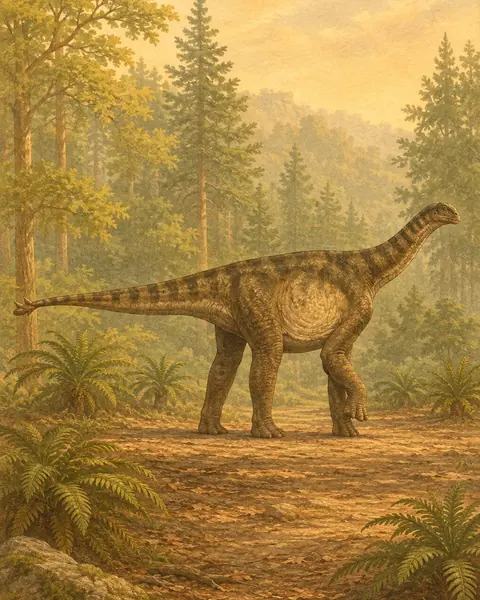
Shunosaurus is one of very few sauropods known to have carried a small bony club at the end of its tail, tipped with a pair of short spikes.
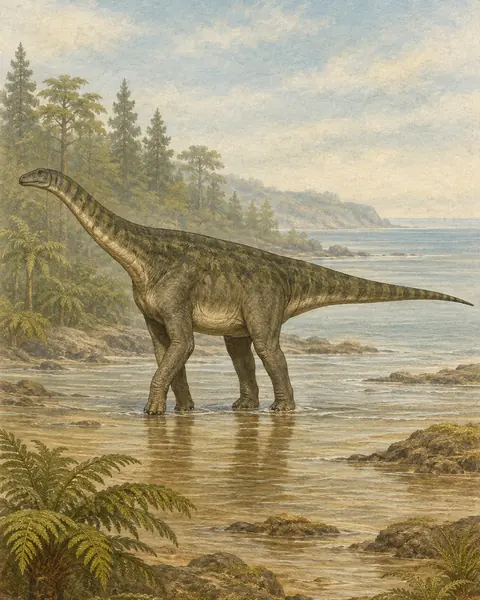
Cetiosaurus was an early long-necked plant-eater that reached an estimated 16 meters long, and it holds a special place in history as one of the first sauropod dinosaurs ever described.
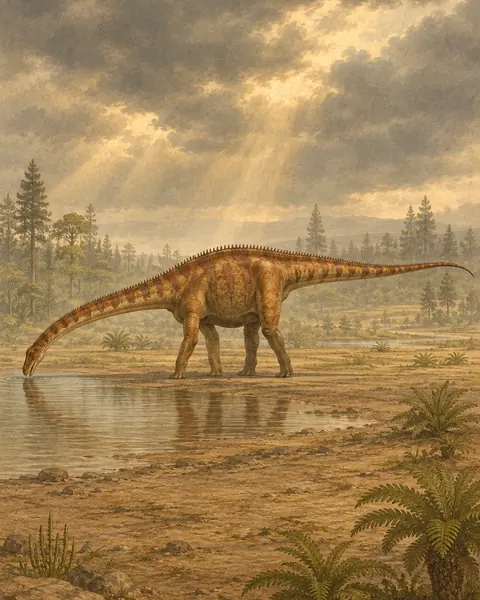
Supersaurus may have stretched up to about 33–40 meters from nose to tail-tip, making it one of the longest animals ever to walk the Earth.
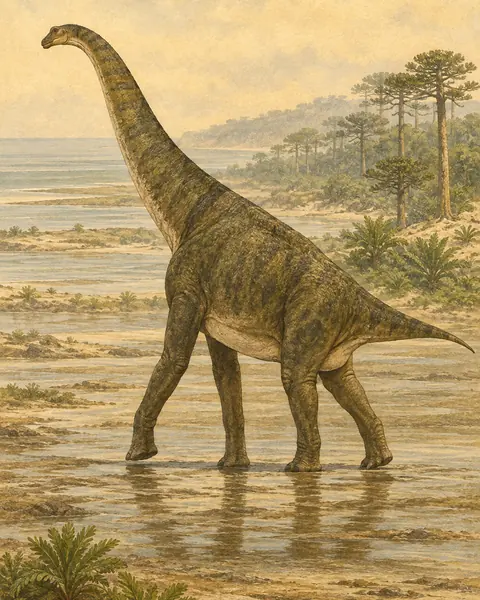
Giraffatitan could raise its small head an estimated 12 meters or more into the air, browsing treetops that almost no other animal of its world could reach.
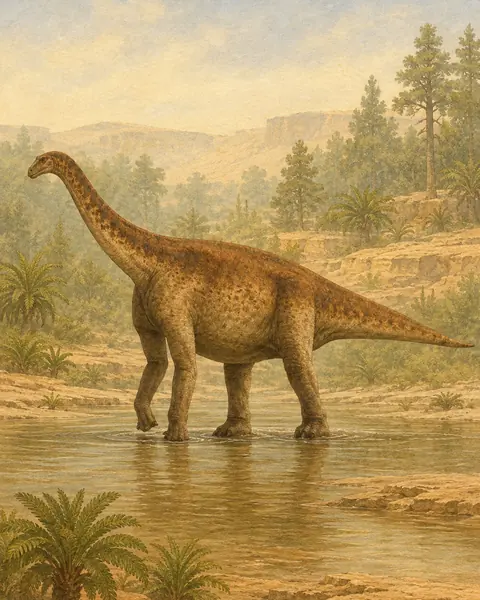
Jobaria was a stocky, primitive sauropod that grew to around 21 meters long yet kept a surprisingly short neck and short tail, giving it a compact, balanced build unlike its long, whip-tailed relatives.
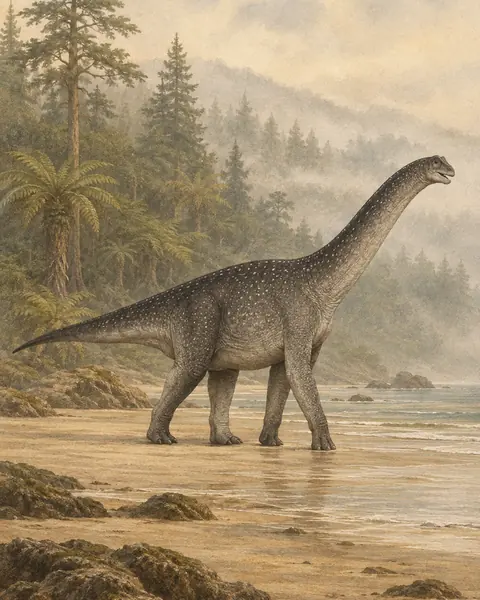
Europasaurus was a fully grown sauropod only about 6 meters long — a dwarf cousin of giants like Brachiosaurus that likely shrank to survive on a small Late Jurassic island.