 Fossil Deck
Deinonychus
Deinonychus antirrhopus
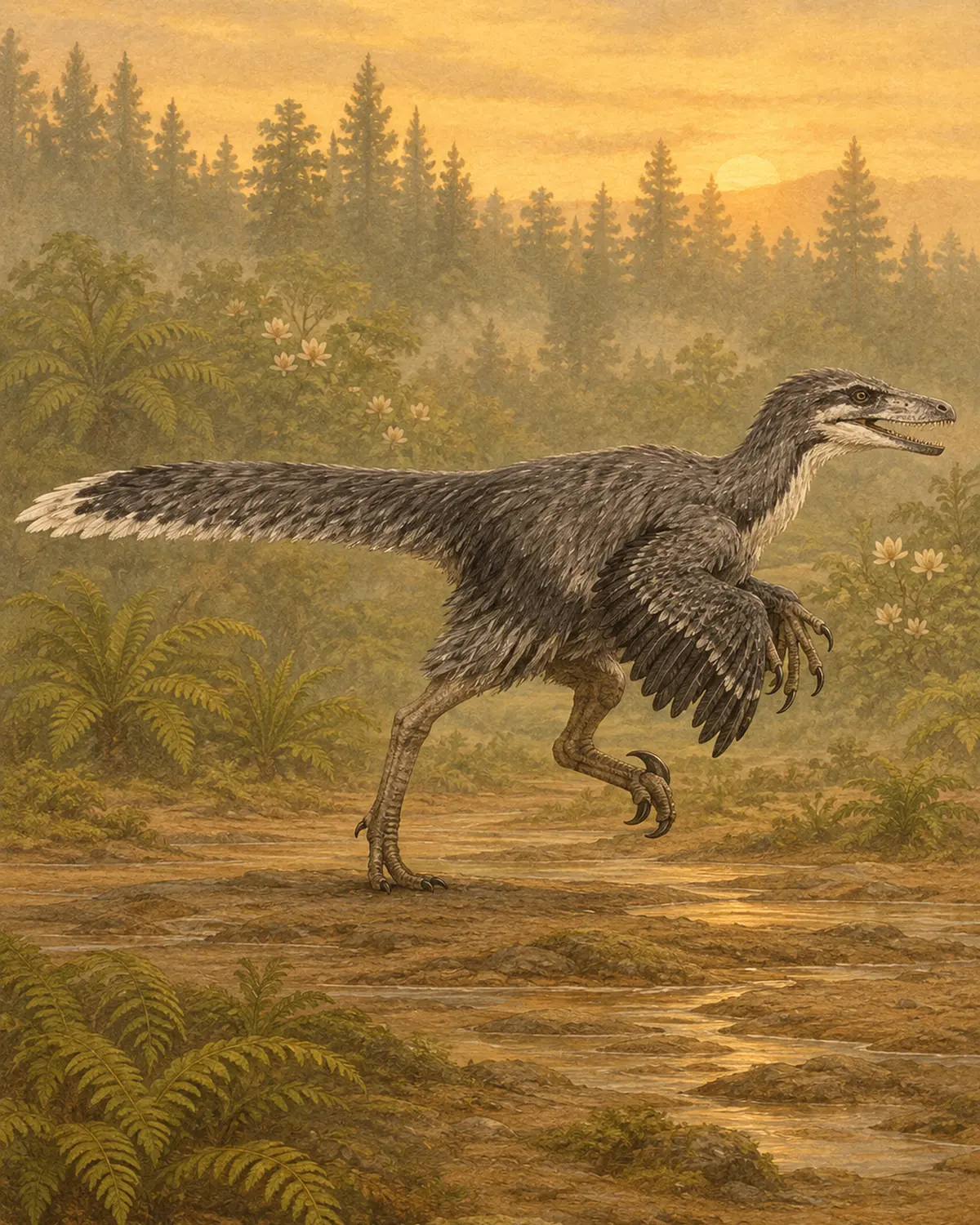
Deinonychus was a dromaeosaurid theropod that lived in North America about 115–108 million years ago, in the Early Cretaceous. It was about 3.4 m (11 ft) long and weighed 70–100 kg (154–220 lb).
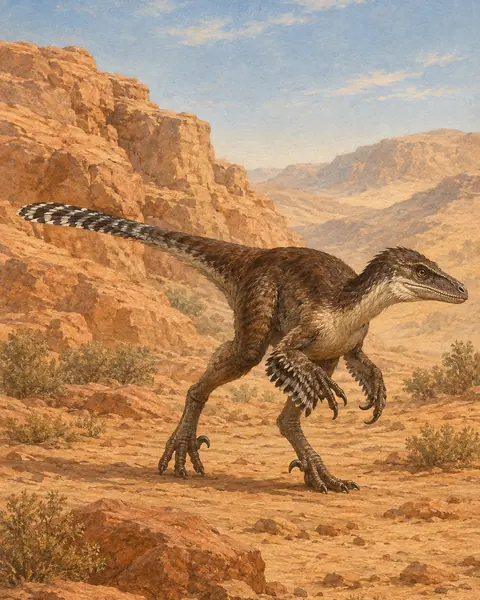
Deinonychus carried a single enlarged sickle-shaped claw, up to about 12 centimeters long, raised off the ground on the second toe of each foot. This wolf-sized feathered predator's discovery in the 1960s helped spark the idea that birds descended from dinosaurs and that some dinosaurs were active and warm-blooded.
Quick facts about Deinonychus
- Scientific name
- Deinonychus antirrhopus, named in 1969
- Group
- Dinosaur (dromaeosaurid theropod)
- Lived
- About 115–108 million years ago (Early Cretaceous)
- Diet
- Carnivore
- Length
- About 3.4 m (11 ft)
- Height
- About 90 cm (35 in) at the hip
- Weight
- 70–100 kg (154–220 lb)
- Fossils found in
- North America
- Fossil record
- Common: known from many good fossils
What was Deinonychus like?
Deinonychus carried a single enlarged sickle-shaped claw, up to about 12 centimeters long, raised off the ground on the second toe of each foot, and its name means "terrible claw." Larger and more robustly built than its cousin Velociraptor, it was a fast, agile carnivore of Early Cretaceous North America, with a long stiff tail held straight out behind to help it balance and turn. Like other dromaeosaurids it is thought to have been feathered, with long vaned feathers along its arms, and it may have used its grasping three-fingered hands and toe claws to hold onto prey. Fossils found alongside the plant-eater Tenontosaurus have led some scientists to suggest Deinonychus may have hunted in groups, though this remains debated.
How big was Deinonychus?
Adult Deinonychus estimates: length about 3.4 m (11 ft), height about 90 cm (35 in) at the hip, weight 70–100 kg (154–220 lb). Where a range is given, it spans the published estimates for adults.
When did Deinonychus live?
Deinonychus lived about 115–108 million years ago, in the Early Cretaceous.
Where have Deinonychus fossils been found?
Its fossils come from North America.
Who discovered Deinonychus?
Deinonychus was first uncovered in the Cloverly Formation of southern Montana during expeditions led by John Ostrom of Yale in the mid-1960s. Ostrom named and described the animal in 1969, and its clearly active build reshaped how scientists pictured dinosaurs. It is now known from several partial skeletons and many scattered bones across Montana, Wyoming and Oklahoma, giving a good overall picture of the animal.
How complete are the fossils of Deinonychus?
Known from several partial skeletons and many isolated bones, enough to reconstruct the whole animal with confidence.
Deinonychus in Fossil Deck
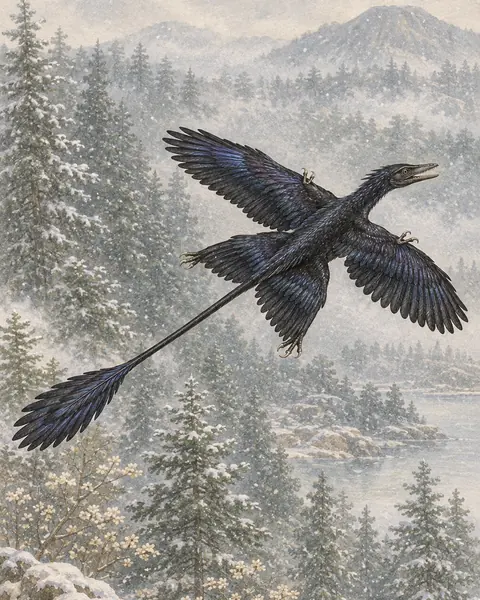
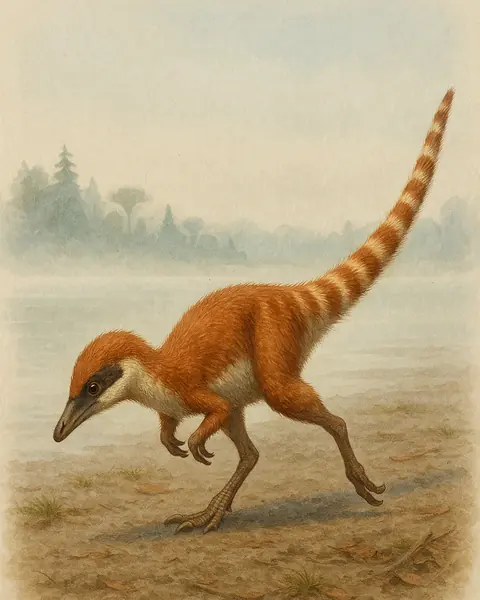
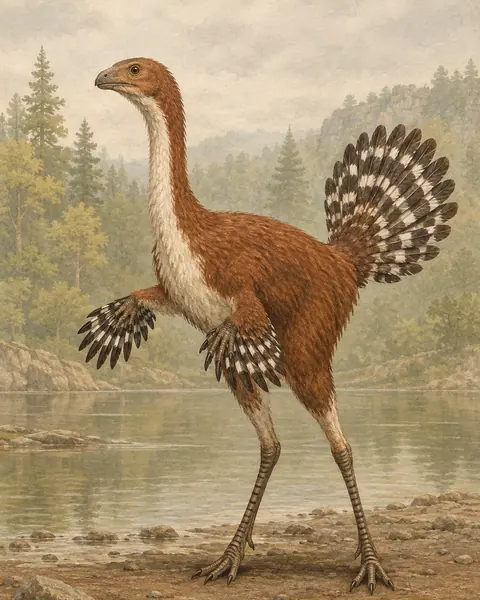
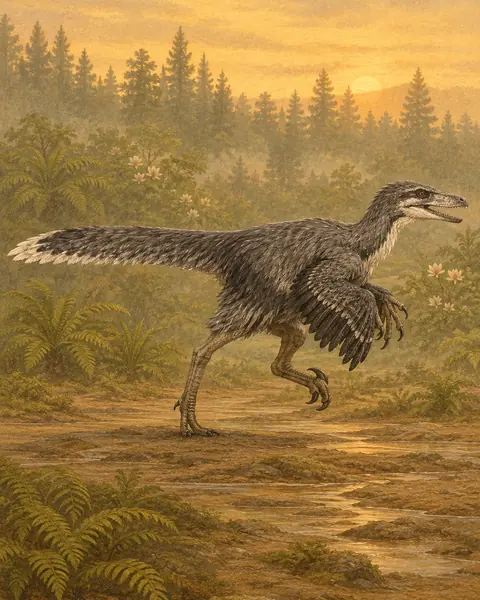
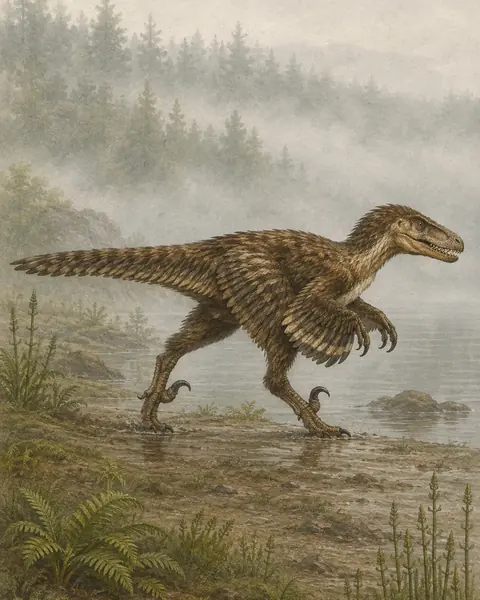
Deinonychus appears on 2 cards, each painted for its deck.
Facts and sizes last checked November 24, 2026. How we check them.