 Fossil Deck
Megalodon
Otodus megalodon
Megalodon was a shark (otodontid) that lived in the seas about 23–3.6 million years ago, in the Miocene to Pliocene (Neogene). It was estimates range from about 14 to 24 meters; a typical adult about 10.5 meters long and weighed 27–61 tonnes (30–67 tons). It was not a dinosaur.
Megalodon was a giant shark, not a dinosaur, and it lived millions of years after the dinosaurs died out. It is known almost only from huge teeth, so its size is a reconstruction, with estimates from about 14 to 24 meters for the largest. It likely hunted whales, seals and sea turtles.
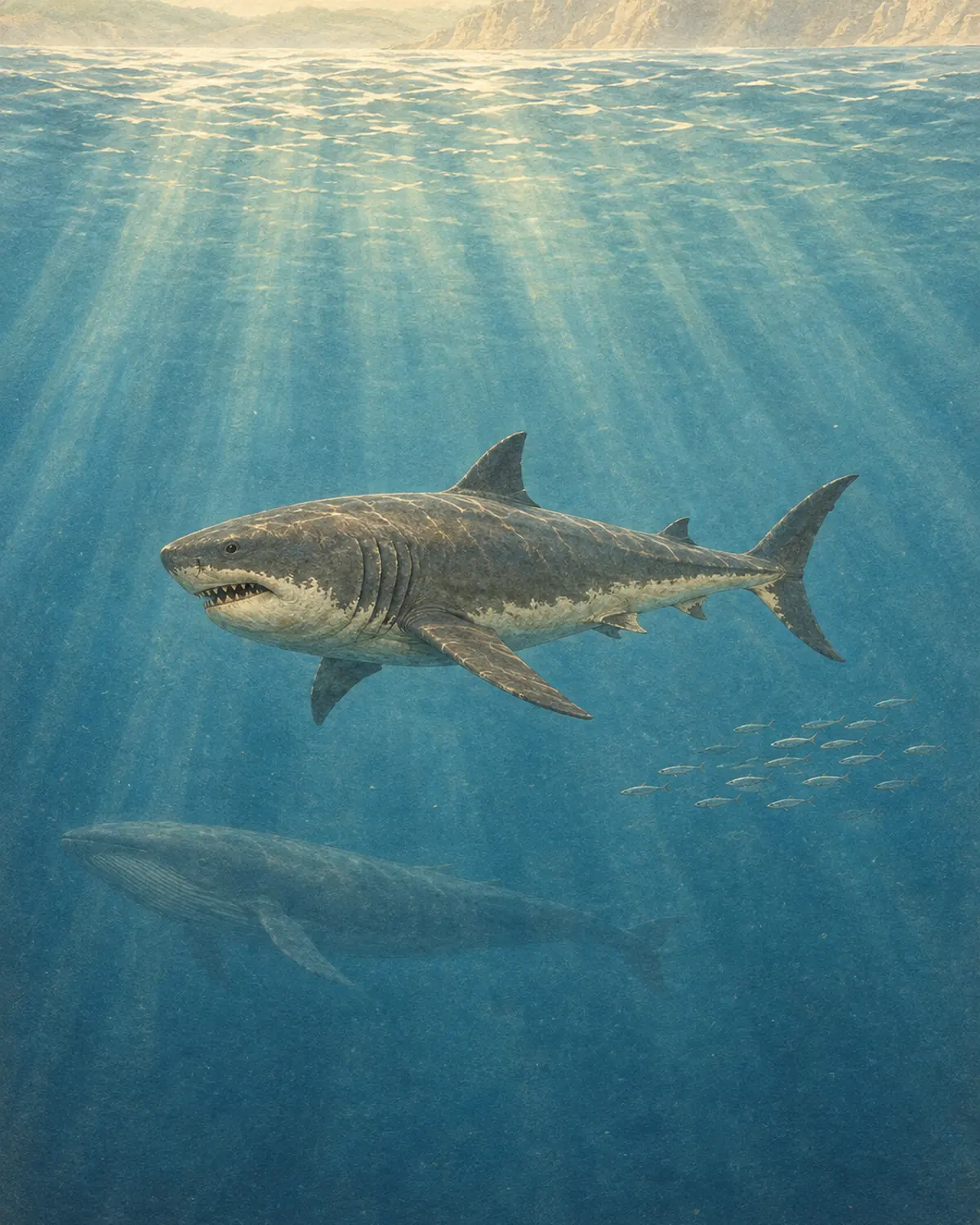
Quick facts about Megalodon
- Scientific name
- Otodus megalodon, named in 1835
- Group
- Prehistoric fish (shark (otodontid)), not a dinosaur
- Lived
- About 23–3.6 million years ago (Miocene to Pliocene (Neogene))
- Diet
- Piscivore
- Length
- Estimates range from about 14 to 24 meters; a typical adult about 10.5 meters
- Weight
- 27–61 tonnes (30–67 tons)
- Fossils found in
- Oceans (worldwide, in warm and temperate seas)
- Fossil record
- Common: known from many good fossils
Was Megalodon a dinosaur?
No. Megalodon was a prehistoric fish, not a dinosaur. It lived long after the dinosaurs died out, but it belonged to a different group of animals.
What was Megalodon like?
Otodus megalodon, 'big tooth,' was a giant shark of the Miocene and Pliocene. It was a shark, so a fish, and lived long after the non-bird dinosaurs were gone. A shark's skeleton is cartilage and rarely fossilises, so almost everything about its body comes from teeth and a few vertebrae. Estimates of maximum length range from about 14 to 24 meters, and a typical adult may have been near 10.5 meters; body shape is debated. Its thick, strong teeth could grip prey and crack bone, and it probably hunted whales, seals and sea turtles, perhaps crushing the chest. It is now placed in the extinct family Otodontidae, not as a close relative of the great white shark.
How big was Megalodon?
Adult Megalodon estimates: length Estimates range from about 14 to 24 meters; a typical adult about 10.5 meters, weight 27–61 tonnes (30–67 tons). Where a range is given, it spans the published estimates for adults.
When did Megalodon live?
Megalodon lived about 23–3.6 million years ago, in the Miocene to Pliocene (Neogene).
Where have Megalodon fossils been found?
Its fossils come from ancient seabed rocks (worldwide, in warm and temperate seas).
Who discovered Megalodon?
Megalodon teeth have been collected since ancient times. Pliny the Elder described them in AD 73 as 'tongue stones' thought to fall from the sky. Swiss naturalist Louis Agassiz gave the shark its scientific name, first as Carcharias megalodon in an 1835 illustration of the teeth, with the formal description following in 1843. It was long placed alongside the great white shark, but later work moved it to the extinct family Otodontidae. The shark disappeared about 3.6 million years ago, as the oceans cooled and its prey changed.
How complete are the fossils of Megalodon?
Megalodon is known mostly from enormous teeth and a few vertebrae; shark skeletons are cartilage, so its body size and shape are reconstructions, not direct measurements.
Megalodon in Fossil Deck
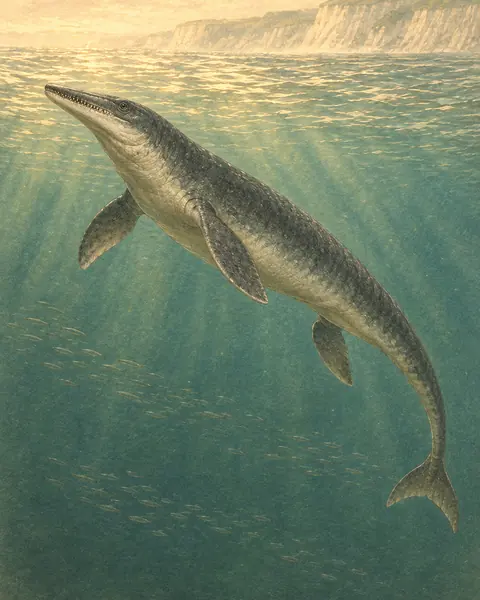
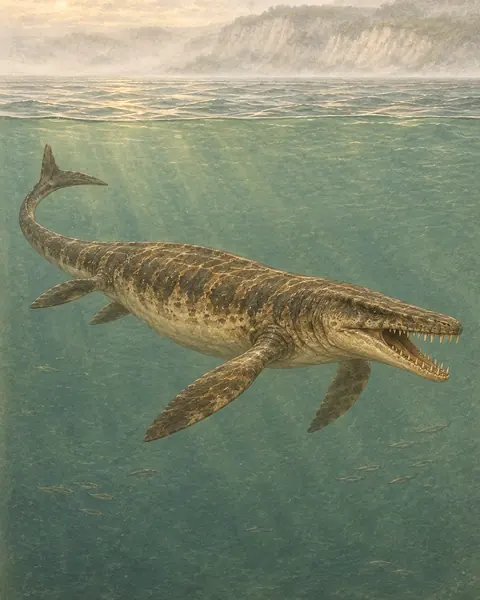
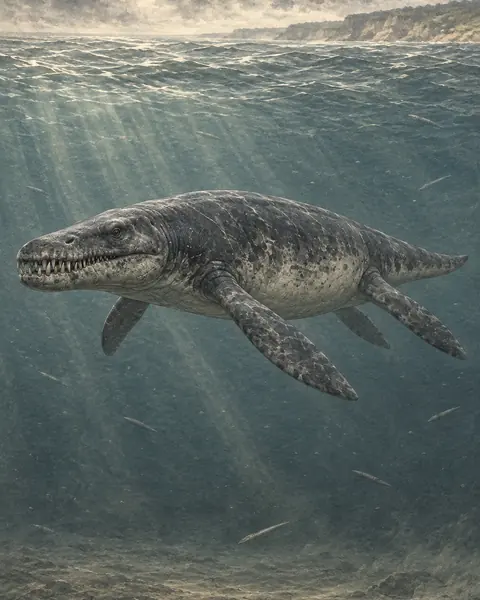
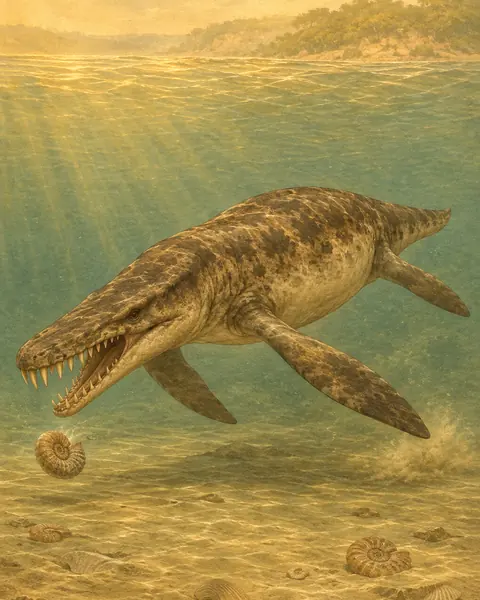
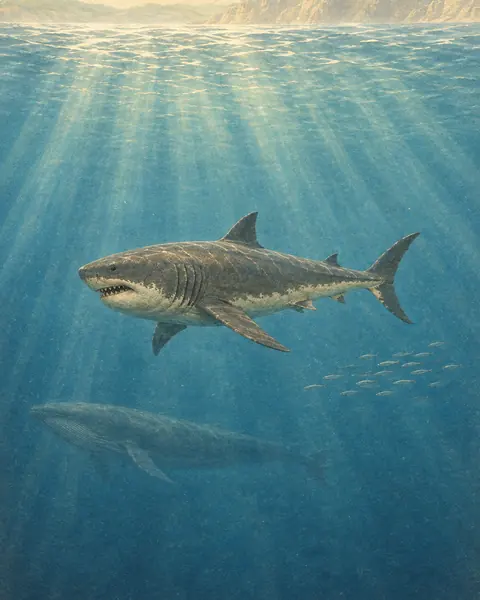
Megalodon appears on one card, each painted for its deck.
Facts and sizes last checked November 24, 2026. How we check them.