 Fossil Deck
Asian Dinosaurs
Fossils of a continent. The dinosaurs of ancient Asia — raptors, oviraptorids and long-necks.
Twelve cards in the Around the World expedition. In the app the deck is a one-time purchase, and its first card is a free find.
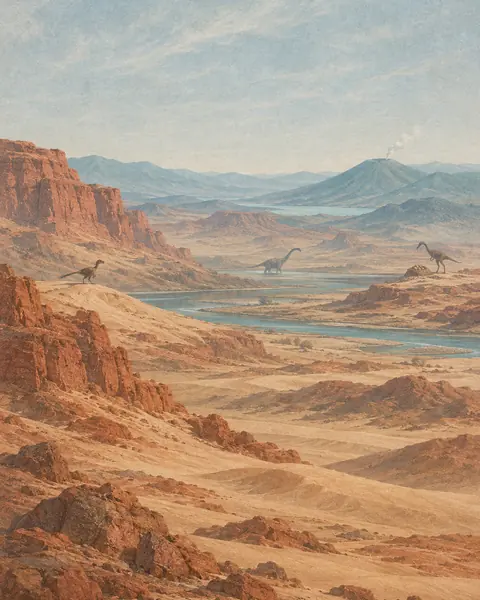
The 12 cards
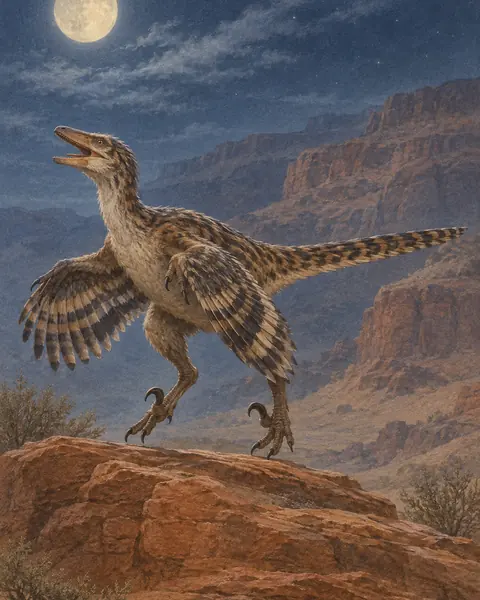
The real Velociraptor was only about the size of a turkey, weighing an estimated 15 kilograms — far smaller than its movie reputation suggests.
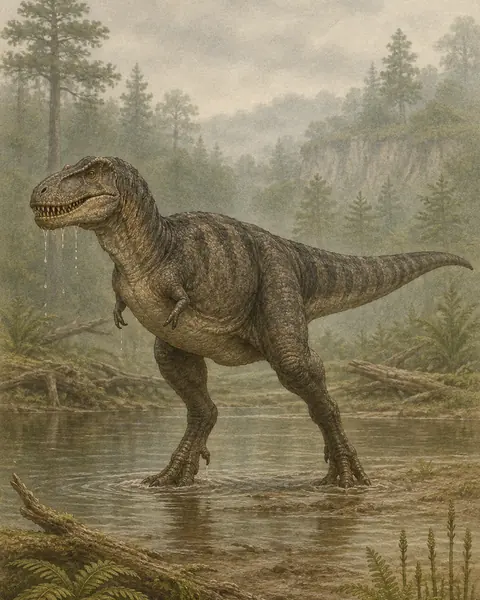
Tarbosaurus was the Asian counterpart of Tyrannosaurus rex — a deep-skulled tyrannosaur up to about 10 metres long, with thick teeth whose crowns reached about 11 centimetres.
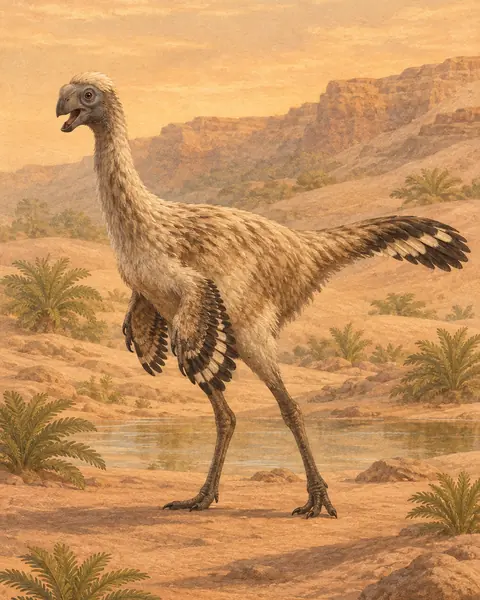
Oviraptor's name means "egg thief," a label it did not deserve: the first skeleton was found over a nest of eggs, and later finds of similar eggs with oviraptorid embryos inside suggest it was brooding its own clutch.
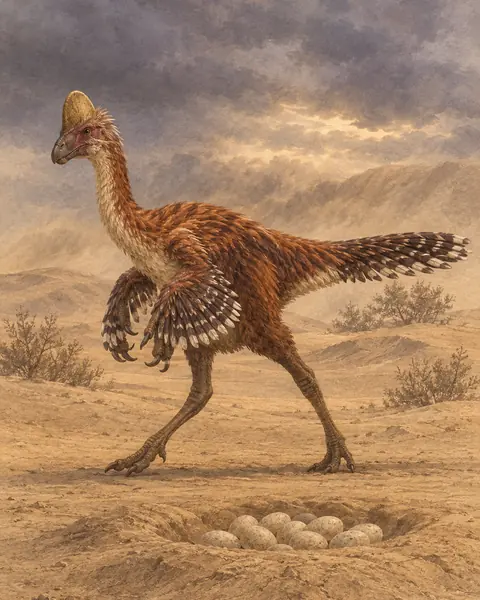
Citipati is famous for several fossils found sitting directly on top of egg nests, arms spread over the clutch just as a brooding bird does today.
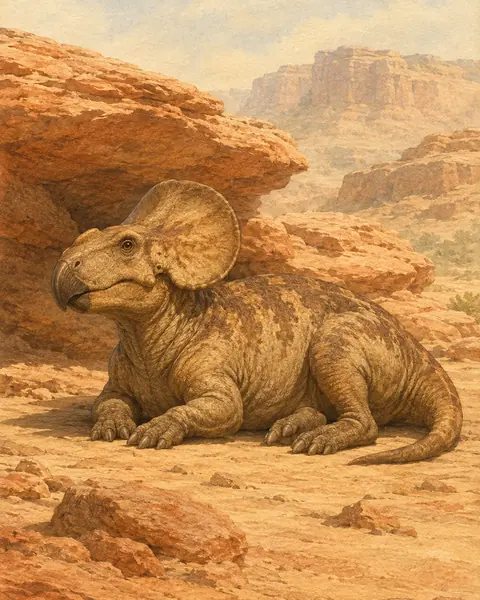
About the size of a large sheep, Protoceratops was a stocky plant-eater with a big bony neck frill but no true horns — an early relative of the giant horned dinosaurs.
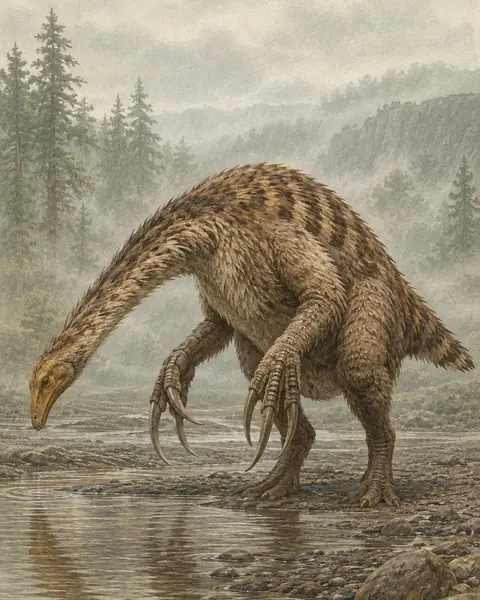
Therizinosaurus carried the longest claws of any known animal: three scythe-like blades on each hand, with the bone alone more than half a metre long and a horn sheath adding more.
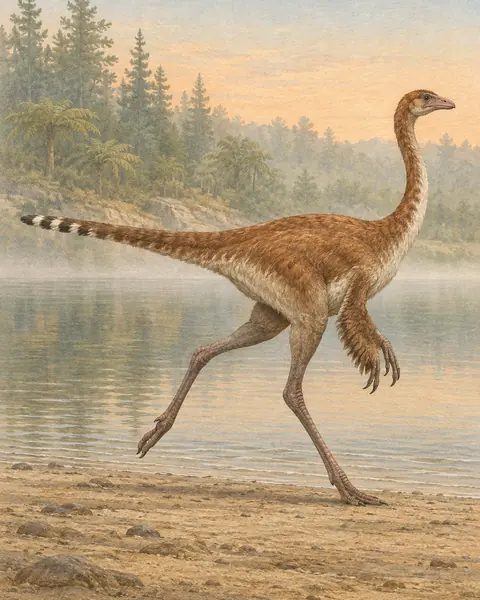
Gallimimus was the largest of the ostrich-like ornithomimids, reaching around 6 meters long yet built as a lightweight sprinter on very long legs.
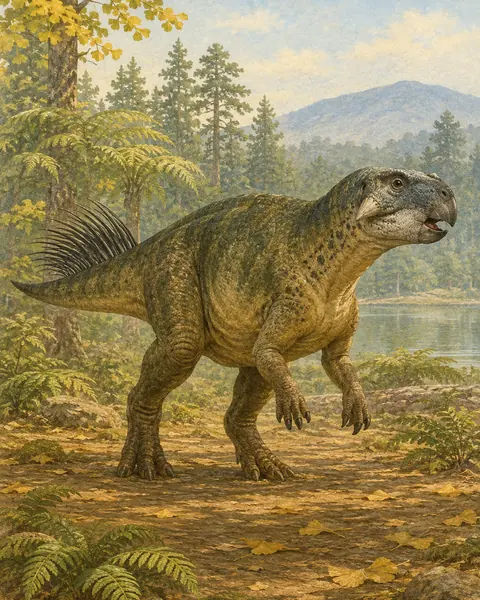
Psittacosaurus is known from hundreds of fossils spanning newborns to adults, making it one of the most completely understood of all dinosaurs.
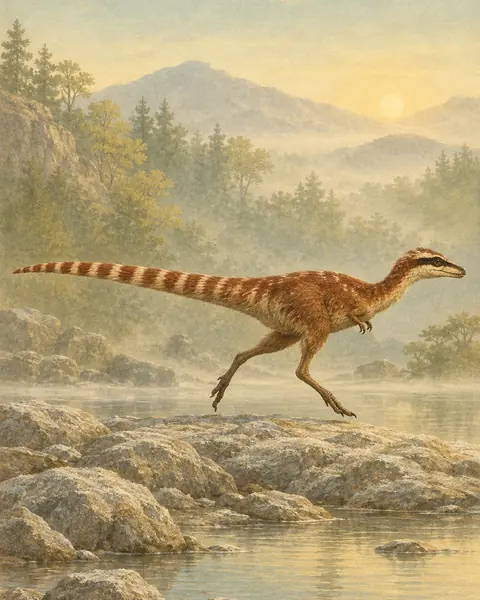
Sinosauropteryx was the first dinosaur found with clear evidence of a downy feather coat, and studies of its preserved pigment even suggest it wore a reddish-brown-and-white ringed tail and a dark bandit-like mask.
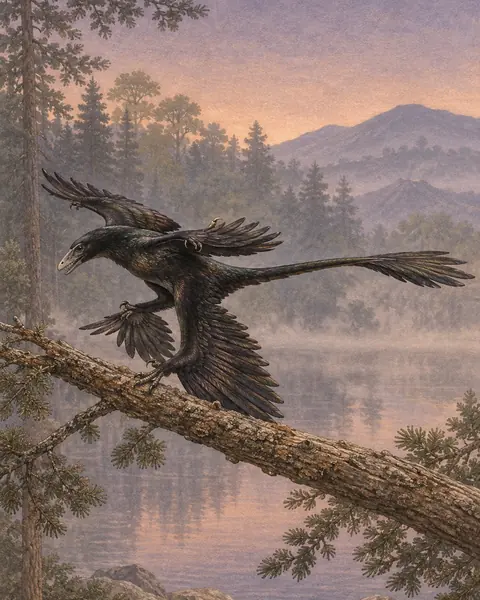
Microraptor is one of the very few dinosaurs known to have carried four wings, with long flight feathers on both its arms and its legs.
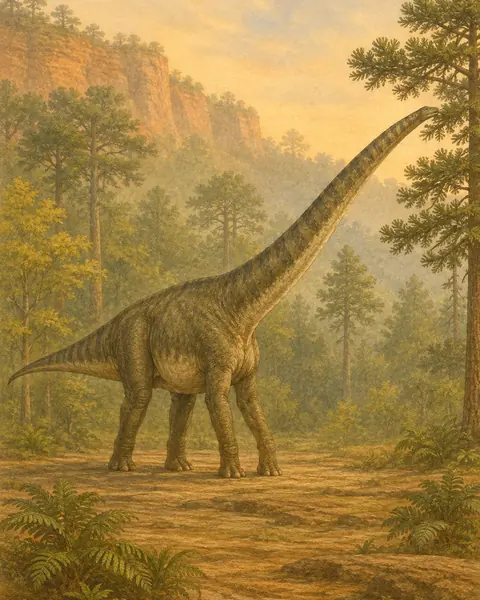
In the largest species of Mamenchisaurus the neck alone is estimated at up to about 15 meters, nearly half the body's total length, one of the longest necks of any known animal.
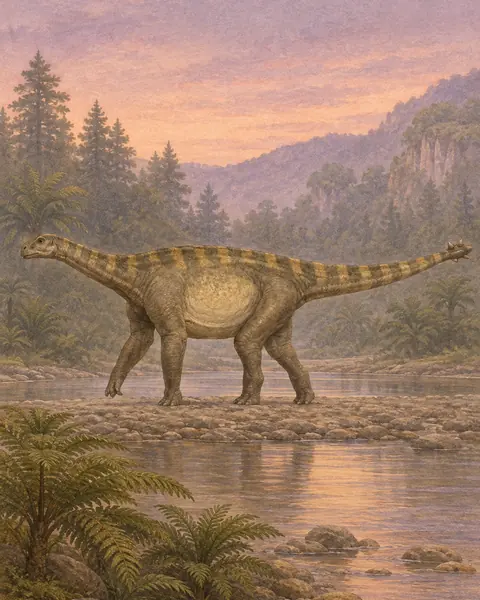
Shunosaurus is one of very few sauropods known to have carried a small bony club at the end of its tail, tipped with a pair of short spikes.