 Fossil Deck
Weird & Wonderful Dinosaurs
The strange ones. Nature's odd experiments — sails, claws, and shapes like nothing alive today.
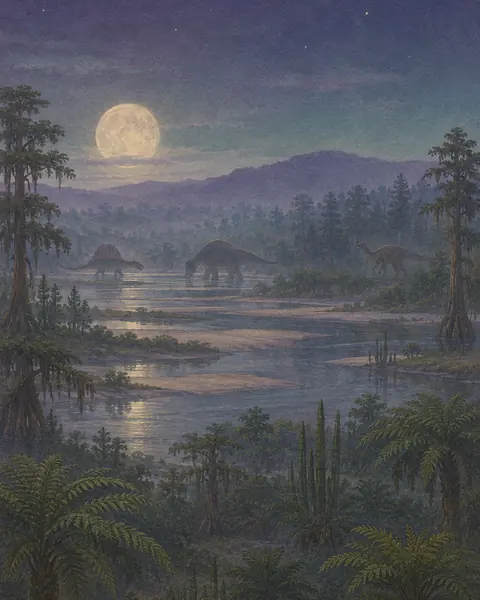
Twelve cards in the Giants & Oddities expedition. In the app the deck is a one-time purchase, and its first card is a free find.
The 12 cards
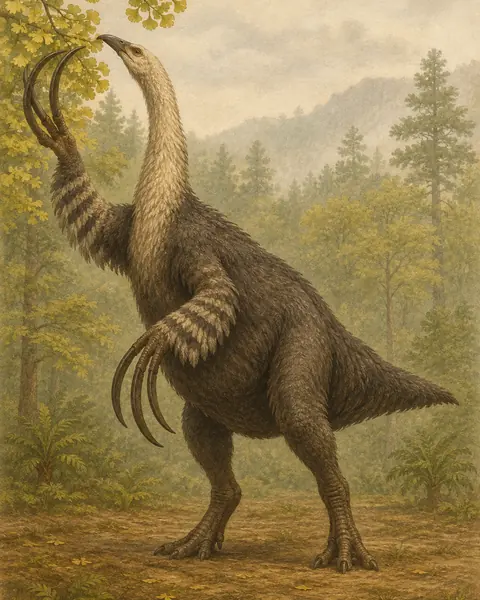
Therizinosaurus carried the longest claws of any known animal: three scythe-like blades on each hand, with the bone alone more than half a metre long and a horn sheath adding more.
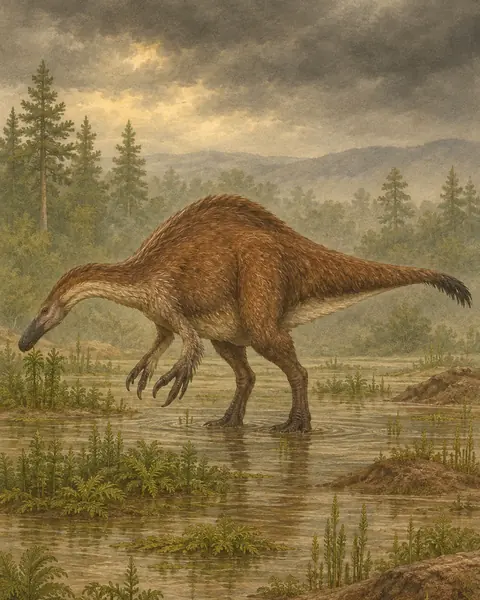
For almost fifty years Deinocheirus was known only from a pair of arms 2.4 metres long, and nobody could say what animal they belonged to.
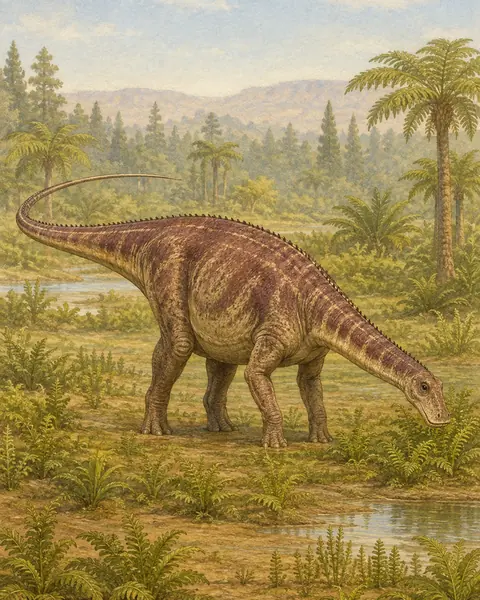
Nigersaurus had a mouth unlike any other dinosaur: a very wide, straight-edged muzzle lined across the front with more than 500 slim teeth, in rows, each replaced about every two weeks.
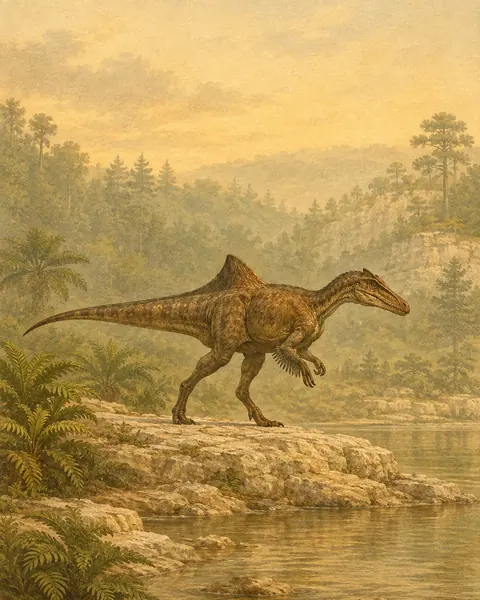
Concavenator carried a tall, narrow hump on its back, formed by two long spines rising over its hips, something no other predator is known to have had.
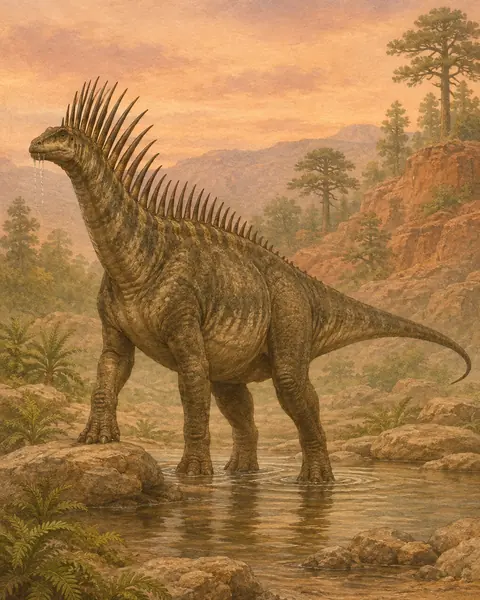
Amargasaurus had two rows of tall, narrow spines running down its short neck, some as long as 60 centimetres.
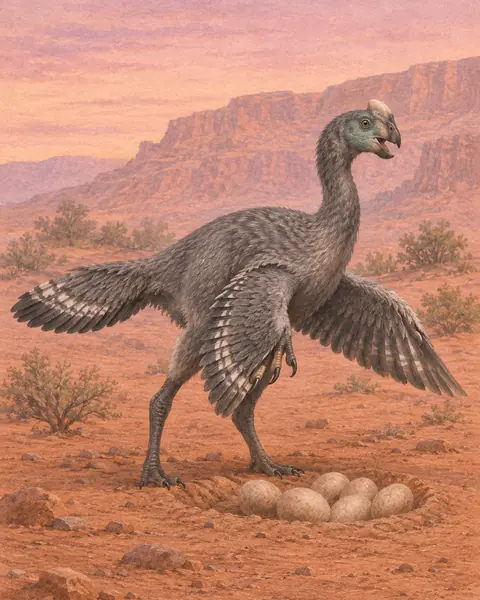
Oviraptor's name means "egg thief," a label it did not deserve: the first skeleton was found over a nest of eggs, and later finds of similar eggs with oviraptorid embryos inside suggest it was brooding its own clutch.
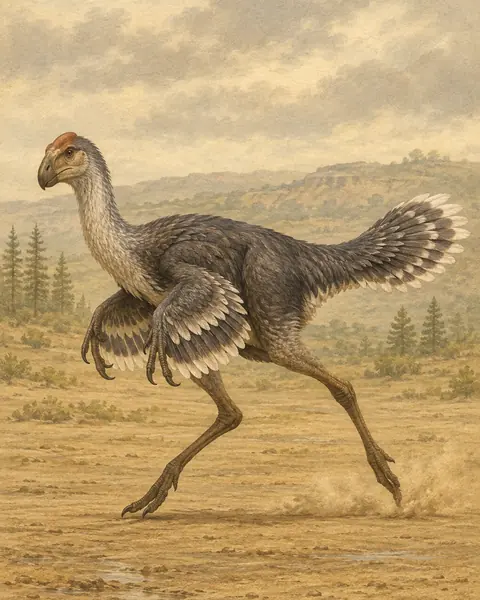
Gigantoraptor was a beaked, toothless, probably feathered, bird-like dinosaur, but at about 8 metres long and some 1,400 kilograms it was about 35 times heavier than the 40 kilograms other oviraptorosaurs rarely exceeded.
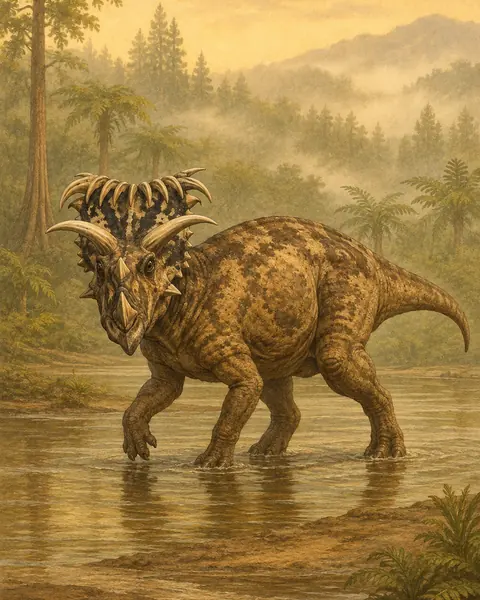
Kosmoceratops has the most elaborate skull of any known dinosaur, with 15 horns and horn-like spikes: a short bump above the nose, two heavy brow horns that curve down and outward, and a wide frill edged with ten hooks, most of them curling forward over the face.
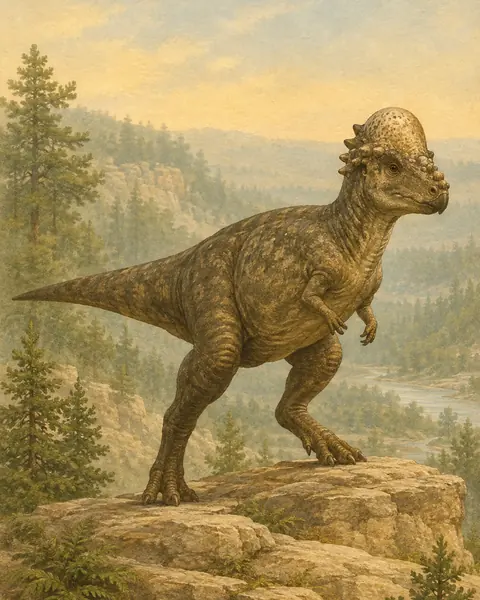
Pachycephalosaurus had a dome of solid bone up to about 22 centimetres thick on top of its head, ringed by a fringe of bony knobs and spikes.
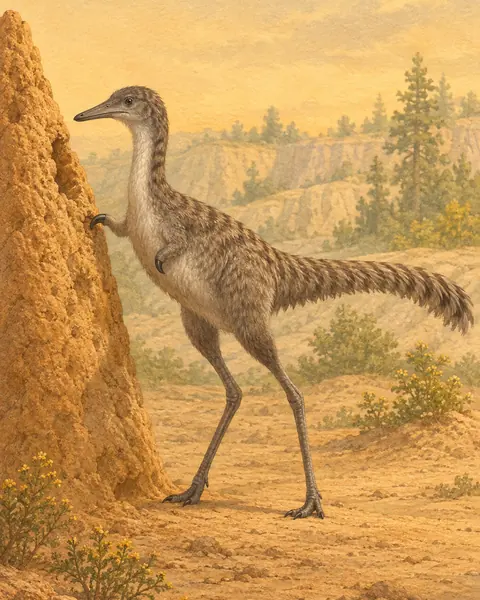
Mononykus means "one claw": each short arm ended in a single thick, pick-like claw, and the arms were far too short to grasp.
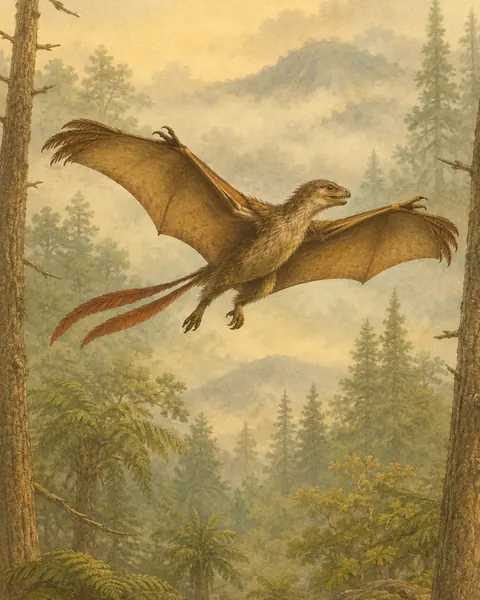
Yi qi had wings unlike those of any bird: skin membranes stretched on a long, rod-like bone that grew out of each wrist, with feathers on the hand and a bat-like look.
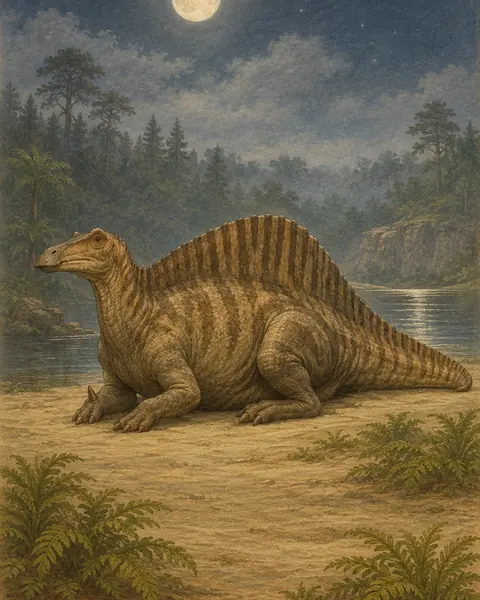
Ouranosaurus had a tall sail running from its shoulders to its tail, held up by long spines of its backbone, on top of a broad, duck-billed head.