 Fossil Deck
Carnotaurus
Carnotaurus sastrei
Carnotaurus was an abelisaurid theropod that lived in South America about 69–66 million years ago, in the Late Cretaceous. It was 7.5–8 m (25–26 ft) long and weighed 1.3–2.1 tonnes (1.4–2.3 tons).
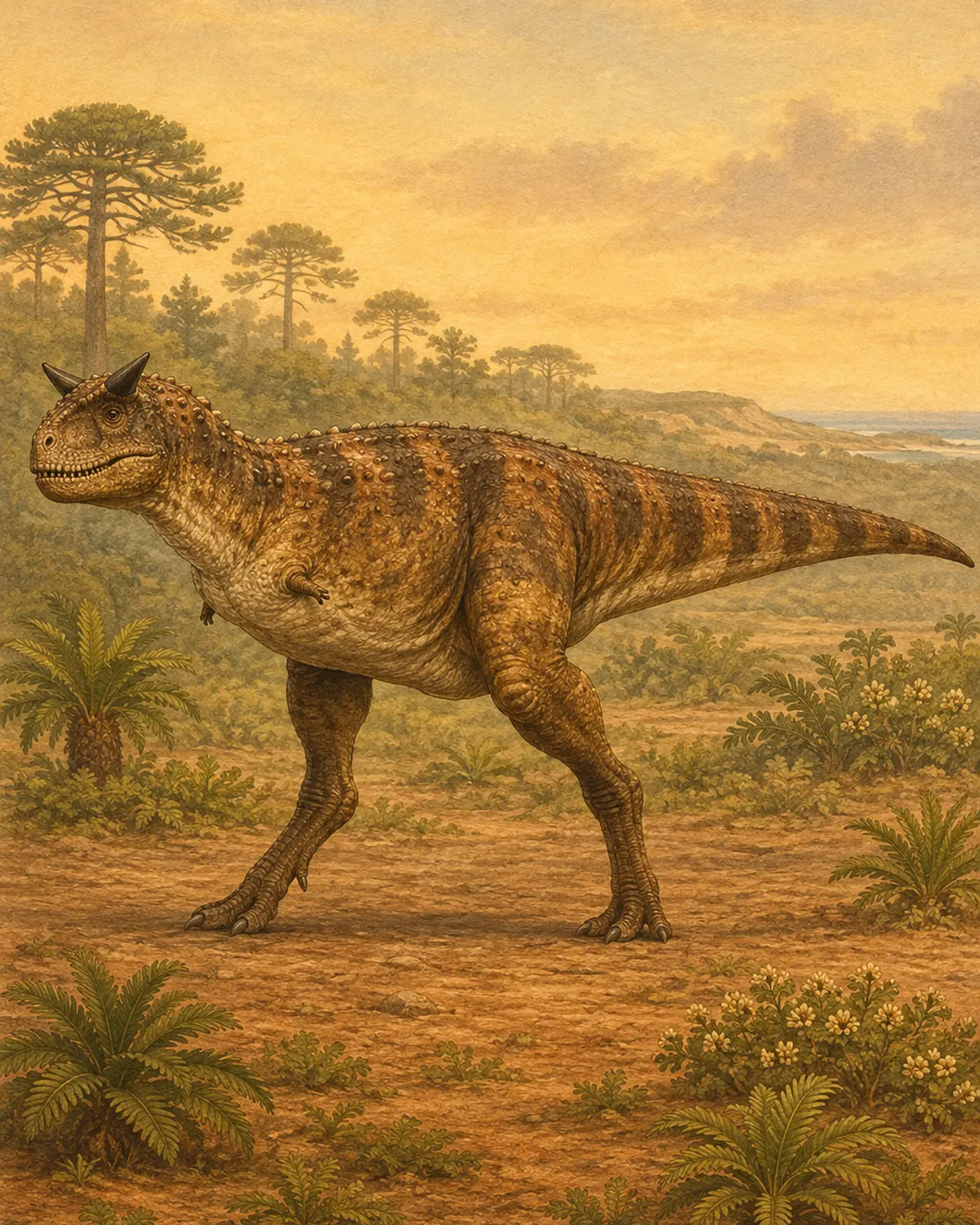
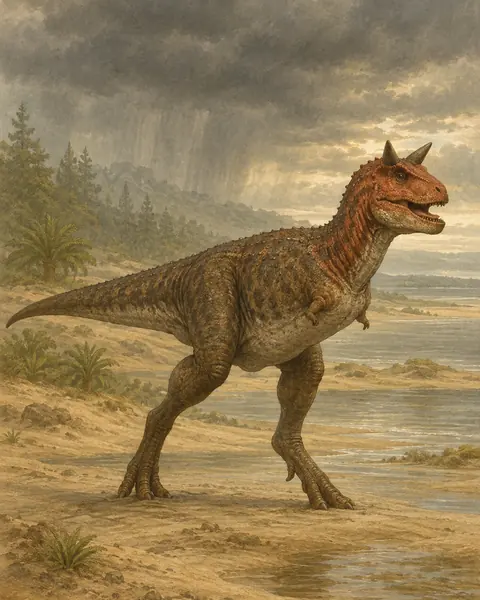
Carnotaurus — the 'meat-eating bull' — was a Patagonian predator best known for the thick horns jutting above its eyes, unique among large carnivorous dinosaurs. Its arms were shrunk to stubby, almost useless limbs, even smaller than those of Tyrannosaurus. Remarkably, everything known about it — down to the texture of its skin — comes from a single skeleton.
Quick facts about Carnotaurus
- Scientific name
- Carnotaurus sastrei, named in 1985
- Group
- Dinosaur (abelisaurid theropod)
- Lived
- About 69–66 million years ago (Late Cretaceous)
- Diet
- Carnivore
- Length
- 7.5–8 m (25–26 ft)
- Height
- About 3 m (9.8 ft) at the hip
- Weight
- 1.3–2.1 tonnes (1.4–2.3 tons)
- Fossils found in
- South America
- Fossil record
- Unique: known from very few fossils
What was Carnotaurus like?
Carnotaurus — the 'meat-eating bull' — was a Patagonian predator best known for the two thick horns jutting above its eyes, a feature unique among large carnivorous dinosaurs and probably used for display or head-to-head shoving with rivals. Its skull was unusually short, deep and boxy, and its arms were shrunk to almost useless stubs even smaller than those of Tyrannosaurus, tipped with four tiny, splayed fingers. Below the waist it was built very differently: long, powerful hind legs suggest it was among the faster large theropods, perhaps a pursuit hunter of its open Late Cretaceous landscape. Remarkably, almost everything known about it — including extensive impressions of its scaly, feather-free skin, patterned with rows of larger cone-shaped scales — comes from a single, unusually complete skeleton. That one specimen, found in Argentina in 1984, remains the sole basis for the entire species, making Carnotaurus both intimately known and, in another sense, barely known at all.
How big was Carnotaurus?
Adult Carnotaurus estimates: length 7.5–8 m (25–26 ft), height about 3 m (9.8 ft) at the hip, weight 1.3–2.1 tonnes (1.4–2.3 tons). Where a range is given, it spans the published estimates for adults.
When did Carnotaurus live?
Carnotaurus lived about 69–66 million years ago, in the Late Cretaceous.
Where have Carnotaurus fossils been found?
Its fossils come from South America.
Who discovered Carnotaurus?
The only known skeleton was found in 1984 by an expedition led by Argentine paleontologist José Bonaparte, in Chubut Province, Patagonia. Bonaparte named it in 1985, with a fuller description in 1990. That single holotype (MACN-CH 894) remains the sole basis for everything known about the species, including rare, extensive skin impressions preserved along one side of the body.
How complete are the fossils of Carnotaurus?
Everything known about Carnotaurus comes from a single, unusually complete skeleton (holotype MACN-CH 894) that also preserved rare patches of fossil skin.
Carnotaurus in Fossil Deck
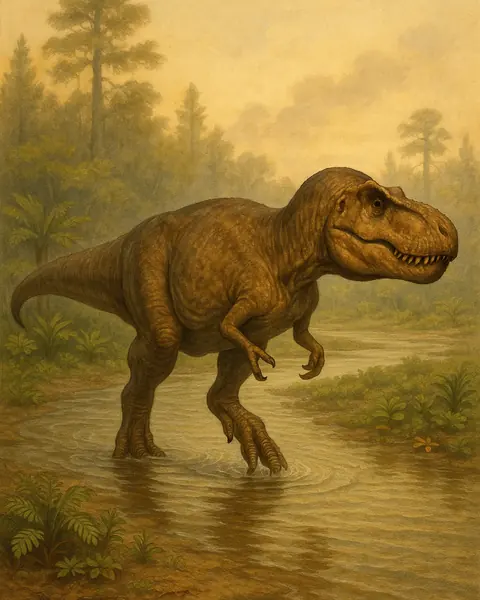
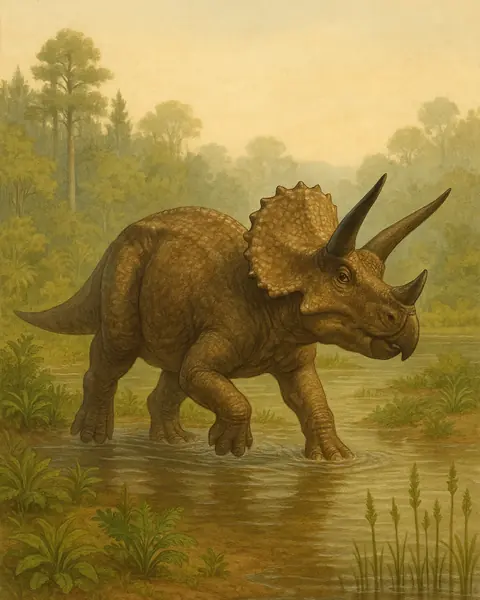
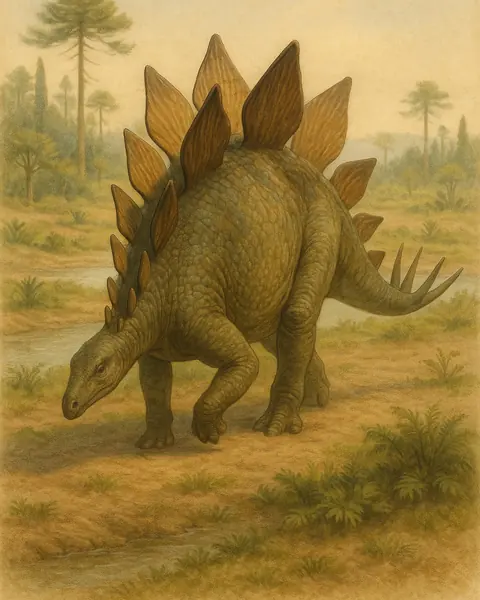
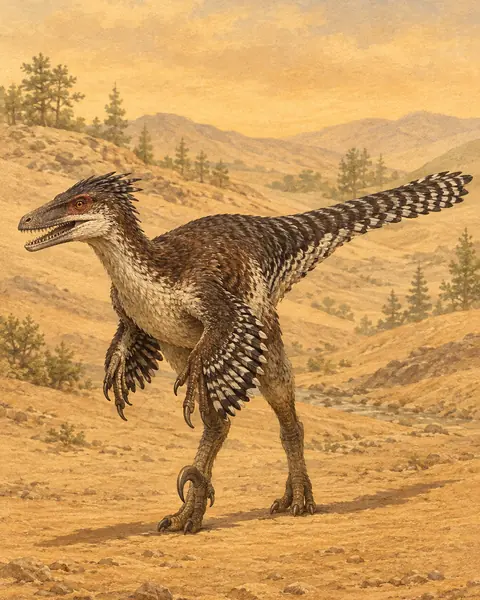
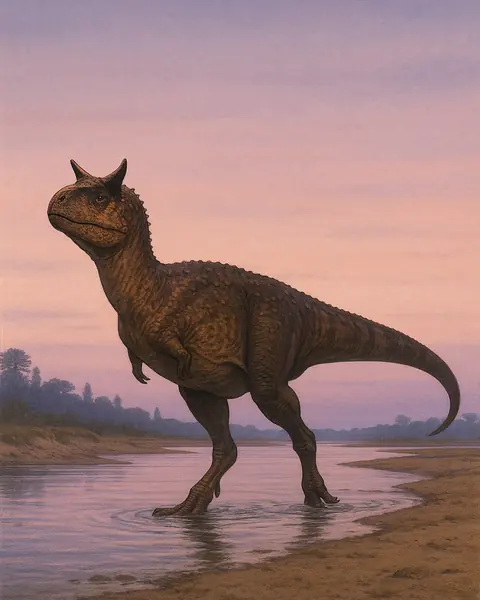
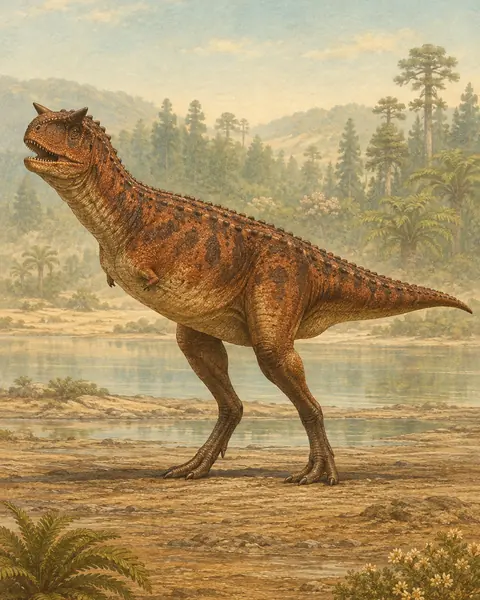
Carnotaurus appears on 4 cards, each painted for its deck.
Facts and sizes last checked November 24, 2026. How we check them.