 Fossil Deck
Famous Dinosaurs
The starter collection. The dinosaurs everyone knows — a generous free deck to begin your museum.
Twelve cards in the Base Camp expedition. This deck is free in the app.
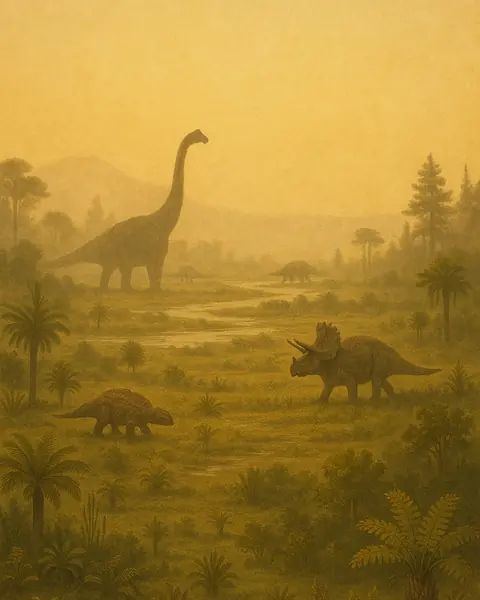
The 12 cards
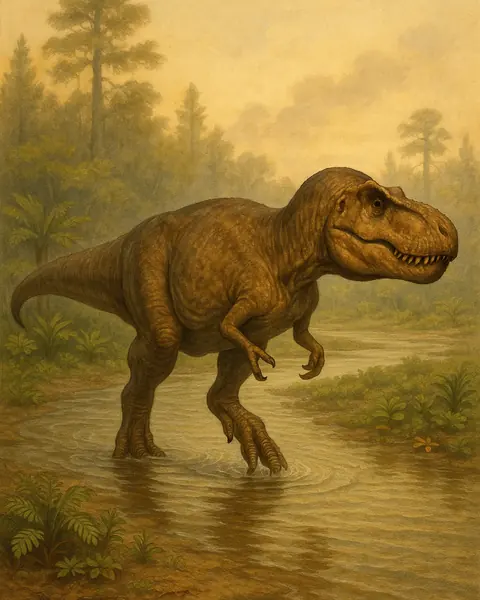
T. rex had one of the most powerful bites of any known land animal — an estimated 35,000 newtons or more, enough to crush bone.
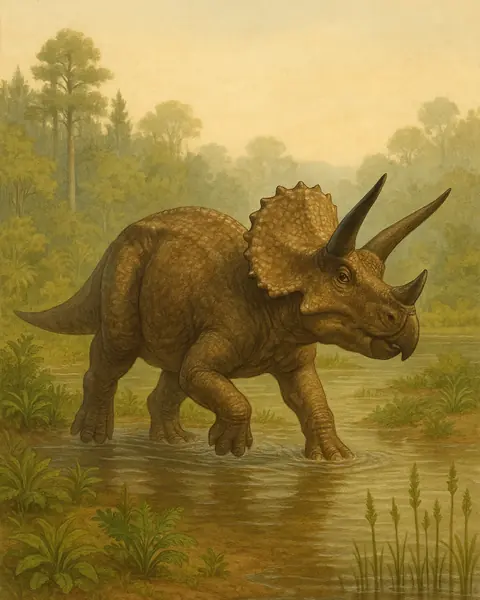
Triceratops was a massive three-horned plant-eater that shared its Late Cretaceous floodplains with Tyrannosaurus rex, and appears to have been the most common large herbivore in its world.
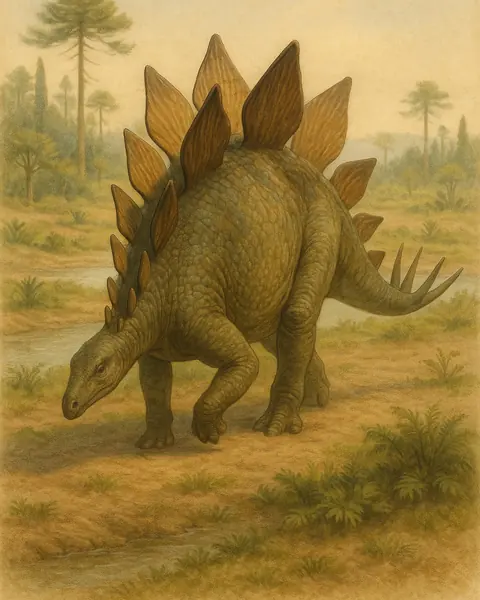
Stegosaurus is the classic 'plated dinosaur,' instantly known by its staggered rows of back plates and spiked tail.
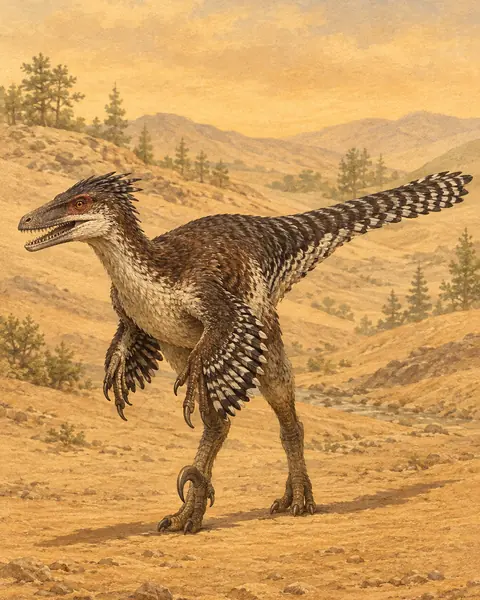
Despite its fearsome film reputation, the real Velociraptor was a feathered, turkey-sized hunter of the Gobi Desert dunes.
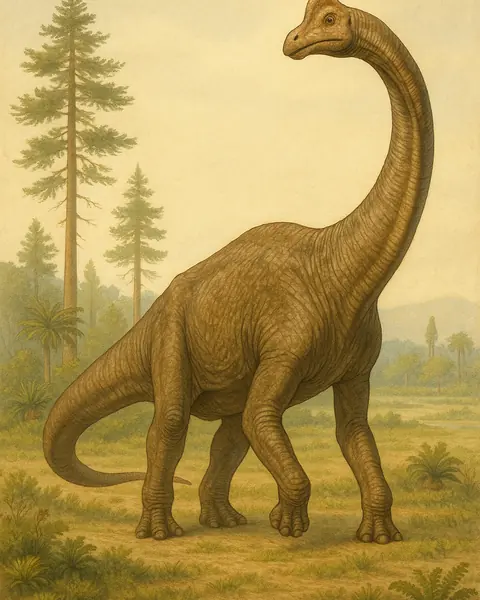
Brachiosaurus was the giraffe-postured giant whose forelimbs — longer than its hindlimbs — lifted its shoulders and neck high above the Late Jurassic floodplain.
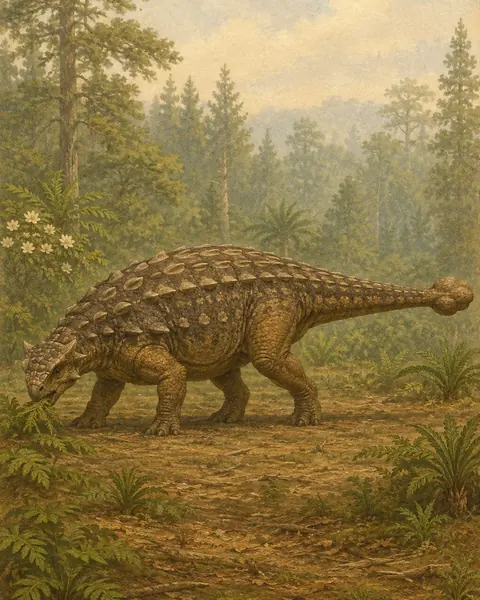
Ankylosaurus was a low, heavily armored plant-eater whose tail ended in a massive bony club.
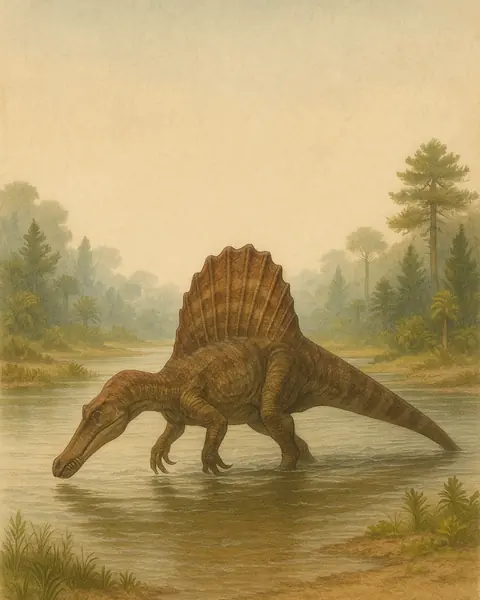
One of the strangest dinosaurs ever found, Spinosaurus carried a towering skin sail along its spine and a long, crocodile-like snout built for snatching fish.
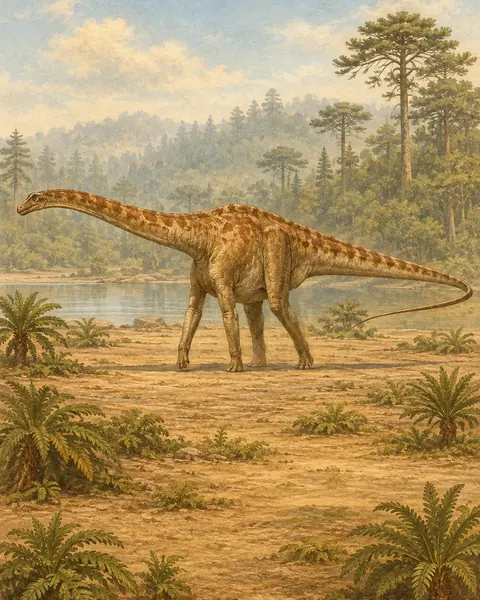
One of the longest animals ever to walk the Earth, Diplodocus stretched up to about 33 meters from nose to tail-tip — yet most of that length was neck and whip-like tail rather than bulky body, making it comparatively lightly built.
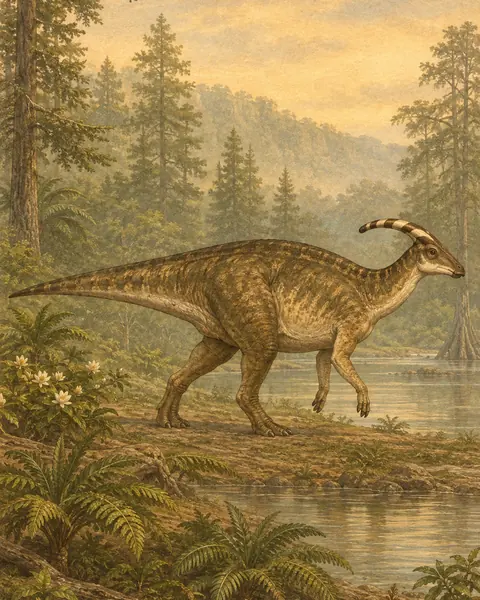
Parasaurolophus carried the most extravagant crest of any duck-billed dinosaur — a long, curved, hollow tube that may have worked like a natural trumpet, channeling air through looping nasal passages to produce deep, resonating calls.
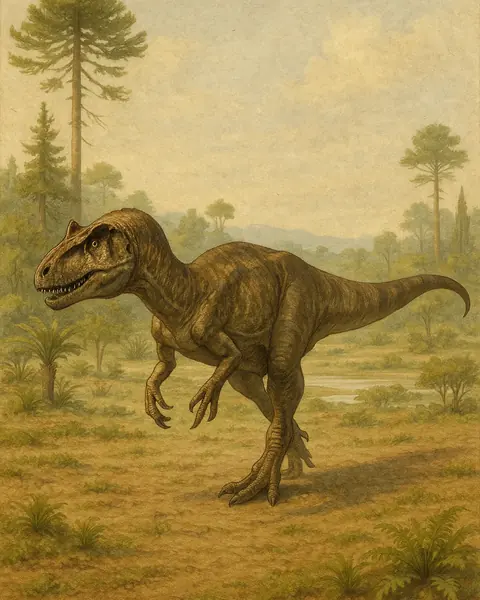
Allosaurus was the dominant predator of the Late Jurassic Morrison floodplains — a large bipedal hunter with small brow hornlets and three-clawed hands, unlike the two-fingered tyrannosaurs that came later.
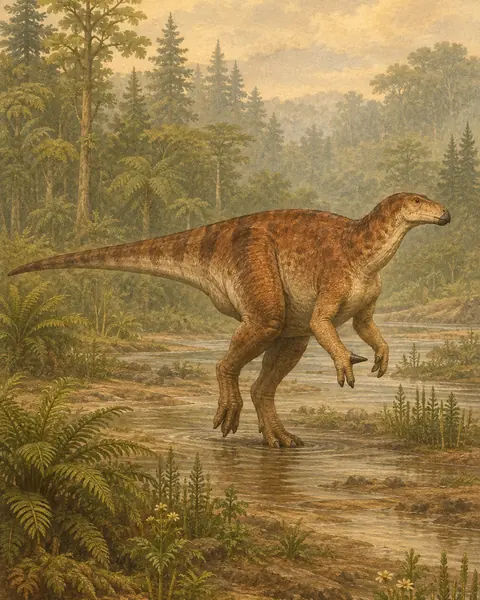
When Gideon Mantell first reconstructed Iguanodon in 1825 from a few teeth and bones, he mounted its now-famous thumb spike on the nose like a horn.
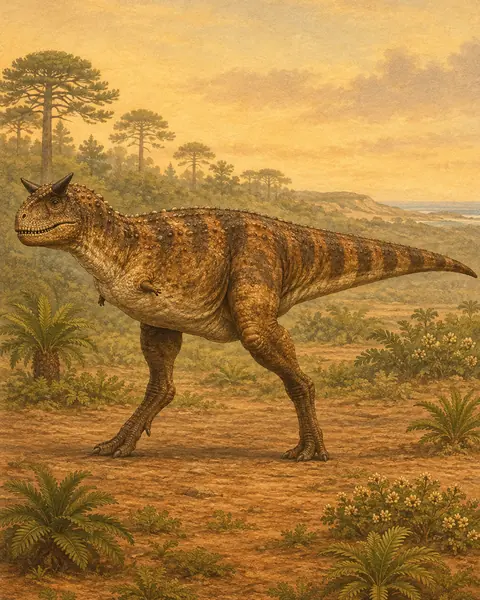
Carnotaurus — the 'meat-eating bull' — was a Patagonian predator best known for the thick horns jutting above its eyes, unique among large carnivorous dinosaurs.